
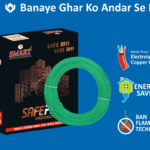





Smart Electrical Wires

₹2,350.00 ₹4,350.00
PRODUCT SPECIFICATION:–
Feature | Description |
Wire Diameter | 2.5mm (outer diameter) |
Conductor Material | Copper (commonly used for its high conductivity) |
Smart Features | Includes integrated sensors for temperature, current, and voltage monitoring |
Signal Transmission | Capable of transmitting both power and data (depending on design) |
Durability | Resistant to wear, moisture, and mechanical stress, ensuring longevity |
Flexibility | Flexible and bendable for installation in various environments |
Applications | Industrial machinery, home automation, electric vehicles, smart homes, robotics |
Safety Features | Over current protection, short-circuit detection, and overheating alarms |
Connection Type | Can be connected to smart systems via specialized connectors or terminals |
Description
Smart Electrical Wires:
Smart electrical wires are advanced wiring systems that integrate modern technologies to enhance the functionality, safety, and efficiency of electrical installations. These wires are designed to go beyond traditional electrical wiring by incorporating features such as real-time monitoring, fault detection, energy efficiency, and communication with smart home systems or building management systems.
Key Features:
Integrated Sensors:
- Smart wires often come embedded with sensors that monitor temperature, current, and voltage. This helps detect potential issues like overheating, overloading, or short circuits before they lead to system failure or fire hazards.
Self-Repairing:
- Some smart wires are designed to have self-healing capabilities. If a fault or break occurs in the wire, the material can reform or seal itself to restore the electrical flow temporarily, reducing downtime and preventing further damage.
Energy Monitoring:
- These wires can track energy consumption across different parts of a building or system. By collecting real-time data, they help users optimize energy use, detect inefficiencies, and reduce power wastage.
Built-in Communication:
- Many smart wires have wireless capabilities or can be connected to IoT (Internet of Things) networks, enabling seamless integration with other smart devices, appliances, and home automation systems. For example, a wire could alert the homeowner or facility manager of an issue or send performance data to a cloud-based app.
Safety Features:
- Smart wires can provide advanced safety mechanisms, such as automatic shutdown if abnormal conditions (overheating, overload, or voltage spikes) are detected. Some systems can even isolate affected circuits to prevent damage to other parts of the electrical system.
Improved Durability:
- These wires are often made with materials that offer superior resistance to wear and tear, heat, and environmental factors such as moisture, making them ideal for both residential and industrial applications.
Applications:
Smart Homes: Integrating smart wires into home electrical systems allows for greater control and monitoring of energy consumption, helping homeowners save on electricity bills and enhance overall home safety.
Commercial and Industrial Settings: In large facilities, smart wiring systems can monitor power usage, detect faults, and improve overall efficiency, reducing maintenance costs and increasing the lifespan of electrical infrastructure.
Electric Vehicles (EVs): In EV charging stations, smart wires can help track energy usage, monitor the condition of charging cables, and optimize the charging process.
Data Centers: For critical infrastructure such as data centers, smart wiring ensures that systems remain functional with minimal downtime by providing real-time data on electrical performance.
Benefits:
- Enhanced Safety: Immediate detection of faults or hazards can prevent electrical fires and other accidents.
- Energy Efficiency: Real-time monitoring and control lead to better energy management and cost savings.
- Smart Integration: Seamless connection with other smart home or industrial automation systems.
- Reduced Maintenance: Proactive fault detection and self-healing features reduce the need for manual inspections and repairs.
In short, smart electrical wires represent a shift toward more intelligent, secure, and efficient electrical systems, capable of meeting the needs of modern technology-driven environments.


- Store Name: TILE BAZAAR
- Address: Tile Bazaar, Sports Complex, opposite Sarangpur, Marble Market, Sarangpur, Dhanas, Chandigarh, 140901, , Chandigarh, , India - 160014
- Email: sahinfriend4ever@gmail.com
- Phone: 9911076560 , 8146468105
TILE BAZAAR
DEALS WITH ALL TYPE OF
Sanitary ware,Tiles,Electrical, Wires etc.
Deals With Brands




















0.0 Average Rating Rated (0 Reviews)