
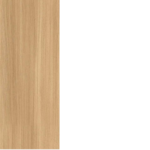


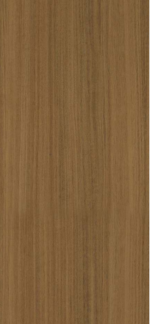
Versatile Laminates for Modern Interiors/NUTMUG CROWN-9483

₹1,299.00
PER SHEET
|
Brand |
Star Mica |
|
Size |
8×4 Feet |
|
Thickness |
1 MM |
|
Application |
Living Room, Bedroom, Kitchen, Office, Commercial Spaces |
|
Features |
Scratch-resistant, easy to clean, visually appealing, and highly durable |
|
Usage |
Ideal for furniture, wall paneling, cabinetry, and interior décor |
Description
Laminate Wood Description:
Laminate wood, often referred to as laminate flooring or laminate panels, is an engineered wood product designed to mimic the appearance of natural wood while providing a more affordable and durable alternative. It consists of multiple layers fused together to create a strong and resilient surface. Here are the key components and features of laminate wood:
Composition:
-
Wear Layer:
The top layer is a clear, protective finish that is highly durable, resistant to scratches, stains, fading, and moisture. This layer is printed with a high-resolution image of wood grain, creating a realistic wood appearance. -
Design Layer:
Beneath the wear layer, the design layer features a photographic image of wood, stone, or other materials. This gives laminate flooring its natural look and texture, mimicking various wood species such as oak, maple, or walnut. -
Core Layer (HDF or MDF):
The core layer is typically made from high-density fiberboard (HDF) or medium-density fiberboard (MDF). These materials are made from compressed wood fibers and provide the strength, stability, and resistance to moisture that laminate wood products are known for. -
Backing Layer:
The bottom layer of laminate wood serves as a stabilizer, providing balance and preventing warping. It also helps with moisture resistance and adds to the overall durability of the product.
Key Characteristics:
- Durability: Laminate wood is highly resistant to scratches, dents, and stains, making it ideal for high-traffic areas.
- Affordability: Laminate is a cost-effective alternative to solid hardwood flooring, offering a similar look and feel at a fraction of the price.
- Easy Maintenance: Laminate wood is easy to clean and maintain. A simple wipe-down with a damp cloth is often enough to keep it looking fresh.
- Installation: Most laminate flooring options feature a click-lock installation system, which makes them relatively easy for DIY installation without the need for glue or nails.
- Variety of Designs: Laminate wood comes in a wide range of colors, finishes, and textures, allowing homeowners to choose from styles that closely resemble different types of wood, including exotic woods or rustic reclaimed looks.
Benefits:
- Scratch and Fade Resistance: Due to the wear layer, laminate wood is more resistant to fading from sunlight and scratching from foot traffic or pets compared to traditional hardwood.
- Moisture Resistance: While not fully waterproof, laminate wood is more resistant to moisture compared to natural wood, which can swell or warp in humid environments.
- Eco-Friendly Options: Many laminate wood products are made from sustainable materials and use low-VOC (volatile organic compounds) finishes, making them more environmentally friendly.
Limitations:
- Cannot Be Sanded or Refinished: Unlike hardwood, laminate cannot be sanded down and refinished if it gets damaged. Once the surface is worn out or scratched, it generally needs to be replaced.
- Susceptible to Impact Damage: While durable, laminate can be prone to chipping or cracking from heavy impacts or sharp objects.
- Perceived as Less “Authentic”: Some people prefer the natural feel and uniqueness of real wood, as laminate is not made from solid wood and doesn’t have the same texture or depth.
Applications:
Laminate wood is versatile and can be used in various settings, including:
- Residential Flooring: Ideal for bedrooms, living rooms, and hallways.
- Commercial Spaces: Suitable for offices, retail spaces, and other high-traffic areas.
- Furniture and Panels: Laminate wood can also be used for creating furniture, cabinetry, and wall panels.
Overall, laminate wood is a practical and aesthetically pleasing option for those looking to achieve the look of hardwood without the cost and maintenance requirements.

- Store Name: Stonez and Woodz
- Address: Stonez & Woodz, Eldeco Green, Near, Jalandhar - Nakodar Rd, Khambra, Jalandhar, Punjab 144026, , Jalandhar, Punjab, India - 144026
- Email: dhruvsuri84@gmail.com
- Phone: 9317777776
STONEZ AND WOODZ
DEALS WITH ALL KINDS OF
GRANITE| ITALIAN | COMPOSITES | TILES | PLYWOOD | VENEER
DEALS WITH BRANDS













0.0 Average Rating Rated (0 Reviews)