
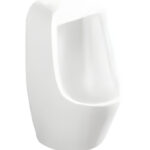
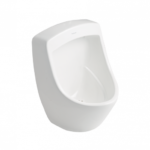
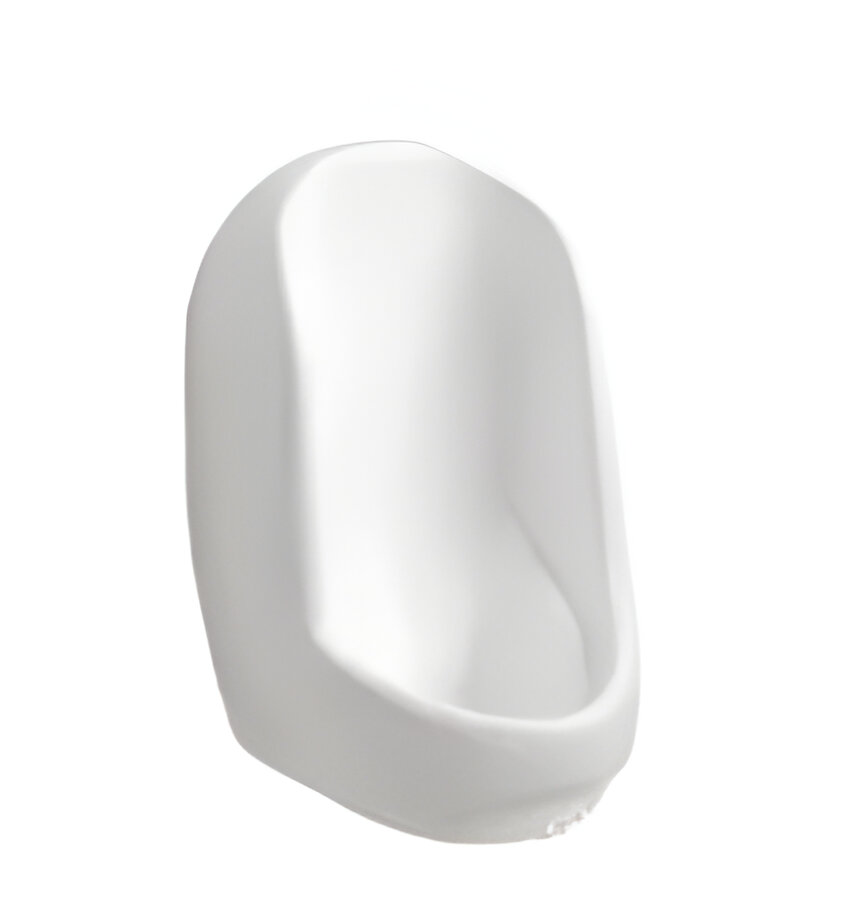


Description
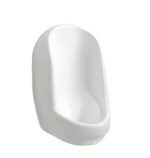
Urinals are fixtures designed for the hygienic disposal of urine, typically found in public restrooms, especially in men’s bathrooms. They are usually mounted on the wall at standing height, allowing individuals to use them while standing. Here are key characteristics and types of urinals:
1. Design and Structure
- Shape: Most urinals have a simple, basin-like shape, often with a sloping or curved back to direct urine flow into a drain.
- Material: They are commonly made from ceramic, porcelain, stainless steel, or other durable materials.
- Size: Urinals are generally smaller than toilets, with a compact design to accommodate the standing user.
- Flush Mechanism: Many urinals feature a flush valve or sensor to clear waste after use, while others may be waterless, utilizing chemicals to neutralize odors.
2. Types of Urinals
- Wall-Mounted Urinals: These are the most common type, attached directly to the wall with a drain below.
- Trough Urinals: A longer, continuous basin that accommodates multiple users at once.
- Floor-Mounted Urinals: These are installed on the floor, often seen in older or industrial settings.
- Waterless Urinals: These use no water for flushing, relying on a specially designed trap or liquid seal to control odor.
3. Hygiene and Maintenance
- Urinals need regular cleaning to maintain hygiene and prevent odor buildup.
- Some are equipped with antimicrobial coatings to reduce bacterial growth.
- In high-traffic areas, sensors or automatic flush systems are often used to minimize contact and improve hygiene.
4. Accessibility
- Some urinals are designed for people with disabilities, placed at a lower height or with a larger bowl to accommodate wheelchairs.
Urinals are a practical and space-saving solution in public restrooms, designed to provide quick and efficient use with minimal privacy compared to toilets.
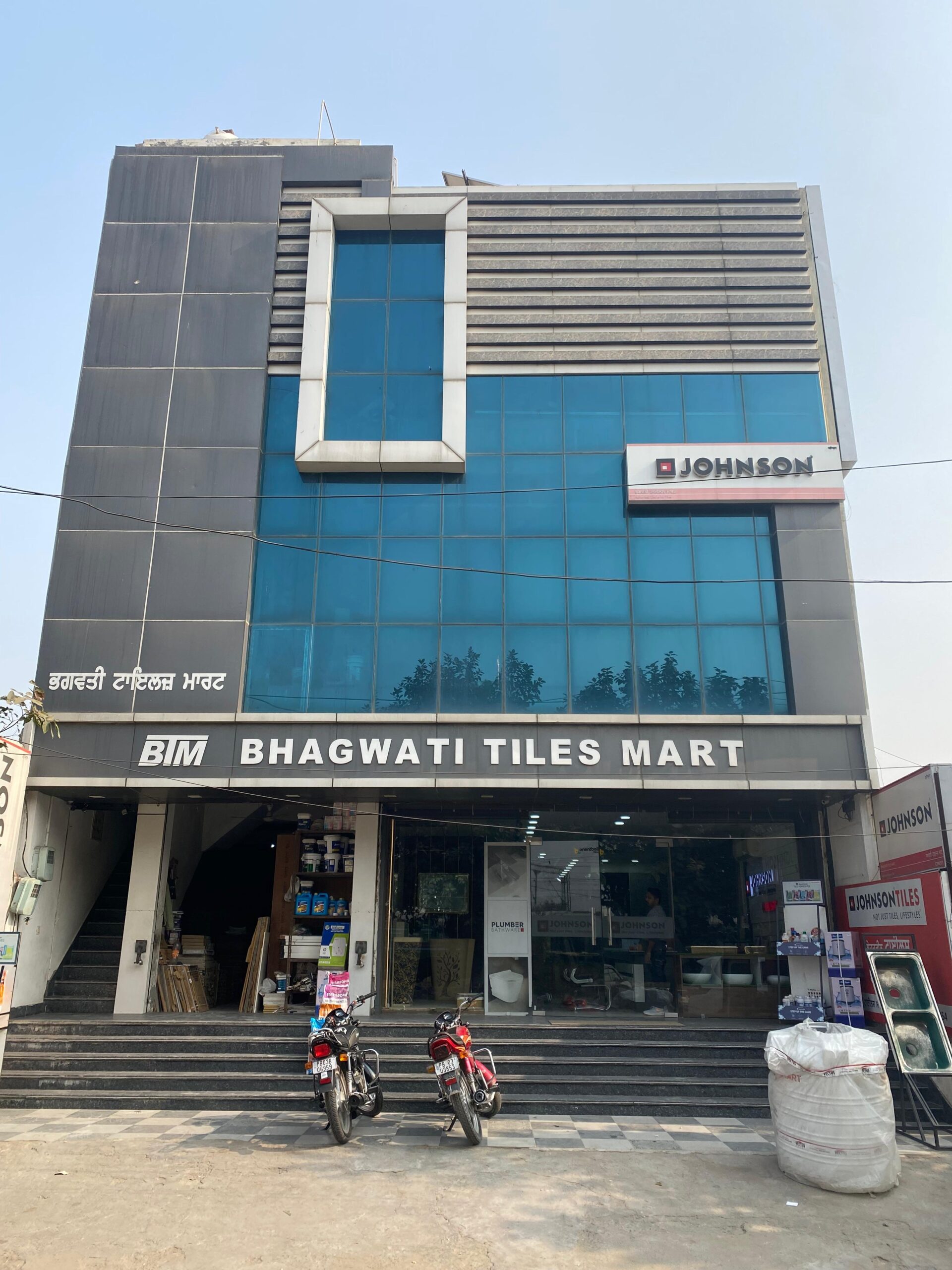

- Store Name: Bhagwati Tiles Mart
- Address: Bhagwati Tiles Mart, Santpura Rd, near railway line, New Shakti Nagar, Bathinda, Punjab 151001, , Bathinda, Punjab, India - 151001
- Email: bhagwatitilesmart@gmail.com
- Phone: 97790-10117 , 80542-84964

















0.0 Average Rating Rated (0 Reviews)