

Description
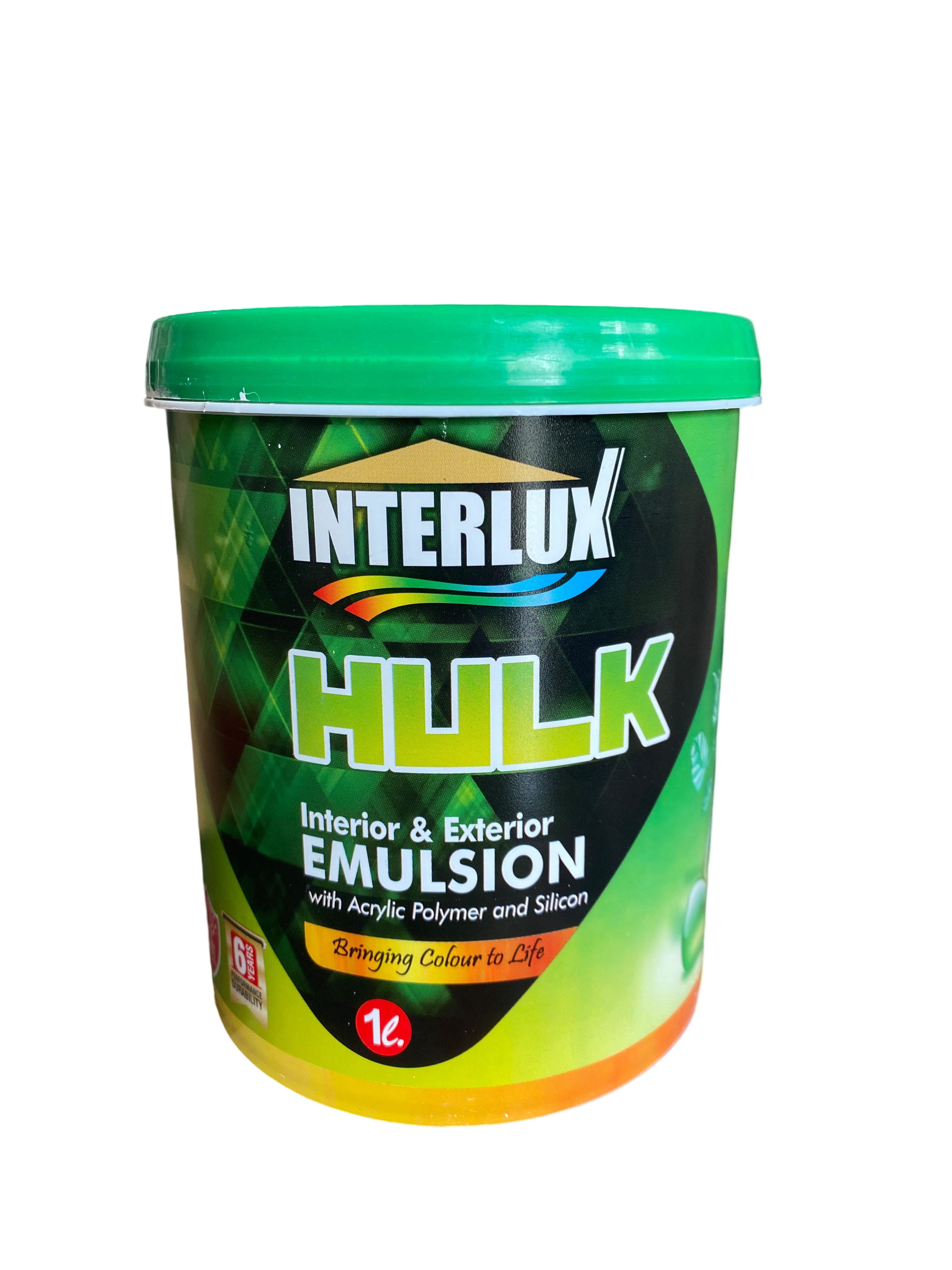
Interlux Hulk Emulsion is a high-performance, water-based paint specifically designed for use in marine environments, particularly for underwater areas like boat hulls. This product is often used as an antifouling paint to prevent the growth of barnacles, algae, and other marine organisms on the submerged surfaces of boats and ships. Here’s a breakdown of its features and applications:
Key Features:
- Antifouling Protection: Interlux Hulk Emulsion provides long-lasting protection against fouling, which includes the buildup of marine organisms such as algae, barnacles, and other aquatic life on boat hulls.
- Water-Based Formula: Being water-based, it is easier to clean up during application compared to solvent-based paints, and it has lower environmental impact.
- Durability: It is formulated to withstand the harsh conditions of the marine environment, including constant exposure to water, UV rays, and harsh weather conditions.
- Effective in Fresh and Saltwater: The paint is effective in both freshwater and saltwater conditions, making it versatile for a wide range of boating environments.
- Easy Application: Interlux Hulk Emulsion can be applied by brush, roller, or spray, offering flexibility depending on the user’s preference or the specific area being painted.
- Low VOCs: As a water-based product, it typically has lower volatile organic compound (VOC) emissions compared to solvent-based coatings, making it more environmentally friendly.
- Compatibility: It can be used over many existing antifouling systems, although surface preparation and compatibility checks are important to ensure optimal results.
Common Applications:
- Boat Hulls: Interlux Hulk Emulsion is most commonly applied to the underwater portions of boat hulls to prevent the growth of marine organisms and reduce drag in the water.
- Other Submerged Surfaces: It can also be used on other submerged parts of a vessel, including drives, keels, and rudders.
- Other Marine Equipment: The paint can be used on other marine structures that are constantly submerged in water to prevent fouling and corrosion.
Surface Preparation and Application:
- Clean the Surface: Thoroughly clean the surface to remove any dirt, grease, or old coatings. If there’s old antifouling paint, it may need to be removed or sanded.
- Proper Priming: Depending on the substrate (e.g., fiberglass, wood, or metal), you may need to use a suitable primer to ensure the best adhesion and performance.
- Application: Apply the paint according to the manufacturer’s instructions, ensuring even coverage. It’s essential to follow the recommended drying times between coats and before launching the boat.
Benefits:
- Prevents Fouling: Reduces the maintenance required for boats by preventing the growth of organisms that can affect the performance and lifespan of the vessel.
- Improves Performance: With no marine growth on the hull, a boat experiences less drag in the water, leading to improved fuel efficiency and speed.
- Environmentally Friendly: As a water-based paint with low VOCs, it’s safer for both users and the environment.


- Store Name: ISHAN PAINTS AND ALLIED
- Address: Ishan Paints & Allied | Asian Paints Dealer | Sirca Polish Mohali, Plot no. 953, Sector 82, JLPL Industrial Area, Mohali, Chandigarh, Punjab 160001, , Mohali, Punjab, India - 160001
- Email: ishanpaints04@gmail.com
- Phone: 9888821904
ISHAN PAINTS AND ALLIED
DEALS WITH ALL TYPES OF
PAINTS | EXTERIOR PAINTS | INTERIOR PAINTS | PAINT TOOLS | ADHESIVES | PUTTY
DEALS WITH BRAND






















0.0 Average Rating Rated (0 Reviews)