
How to Choose Furniture for Every Room in Your Home
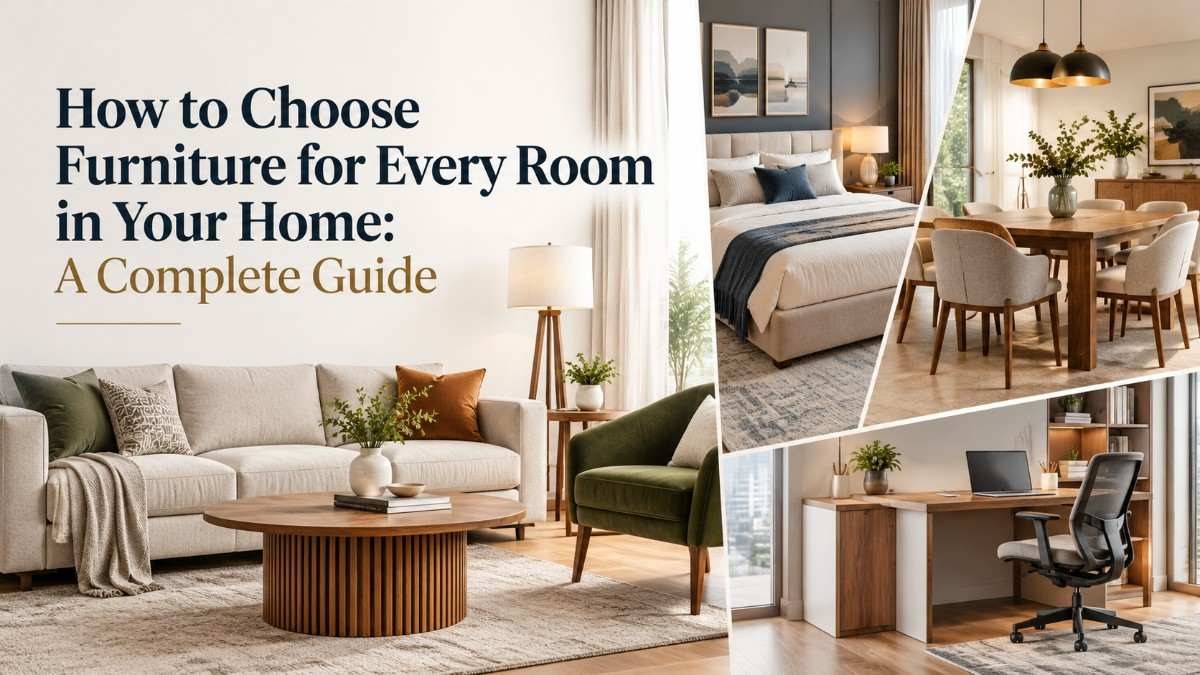 How to Choose Furniture for Every Room in Your Home: A Complete Guide
Choosing furniture for a home is about more than finding pieces that look attractive. The right furniture should fit your space, suit your daily routine, provide enough storage and remain comfortable for years. A beautiful sofa may look perfect in a showroom, but if it takes up most of your living room, it may not be the right choice for your home.
Every room has different requirements. Bedrooms need comfort and storage, living rooms need a practical seating arrangement, and dining areas should feel comfortable without restricting movement. Before buying anything, it helps to understand how each room will be used and which furniture will make everyday life easier.
If you are furnishing a new home or planning a renovation, this guide will help you choose furniture for every room while balancing style, functionality and budget.
1. Start by Measuring Your Space
Before exploring furniture designs, measure the rooms where you plan to place your furniture. This simple step can prevent expensive mistakes and help you make better use of the available space.
Measure the length and width of each room, along with doorways, windows and any areas that could restrict furniture placement. Remember to account for wardrobes, cabinets, drawers and chairs that need extra space to open or move.
For example, a large sectional sofa may work well in a spacious living room but feel overwhelming in a compact apartment. Similarly, a dining table that looks suitable online may leave very little room to pull out chairs once it is placed in your dining area.
A few practical tips can make the selection process easier:
- Measure the room and mark the planned furniture positions.
- Leave comfortable walking space between furniture pieces.
- Check the dimensions of staircases, lifts and doorways before ordering large items.
- Consider multi-functional furniture when floor space is limited.
- Avoid filling every empty corner simply because space is available.
The goal is to choose furniture that fits naturally into your home rather than forcing the room to accommodate it.
2. Choose the Right Furniture for Your Living Room

The living room is often where family members relax, watch television, entertain guests and spend time together. Furniture should support these activities while keeping the room inviting and easy to move around.
Sofas and seating
Start with the sofa because it often determines the rest of the living room layout. Consider the number of people who regularly use the space, the room dimensions and the type of seating you prefer.
A compact two-seater or three-seater sofa may suit a smaller room, while a sectional sofa can provide more seating in a larger space. If you frequently host guests, consider adding accent chairs or an ottoman that can serve as additional seating.
Pay attention to the frame, cushioning, upholstery and ease of cleaning. Homes with children or pets may benefit from durable, easy-care fabrics rather than delicate materials that require frequent maintenance.
Explore options in the Living Room Furniture category and browse sofas to compare styles suitable for your space.
Coffee tables and side tables
A coffee table provides a convenient surface for drinks, books and everyday items. Choose one that complements the sofa without blocking movement. Rounded edges can be useful in compact spaces or homes with young children.
Side tables are practical beside sofas and armchairs, especially when you need a place for a lamp, phone or cup of tea. If storage is important, look for designs with shelves or drawers.
You can explore living room tables to find options that complement your seating arrangement.
Add rugs and accent pieces
A rug can help define the seating area and bring together the colours of your sofa, curtains and other furnishings. Choose a size that works with the furniture arrangement instead of selecting one based on appearance alone.
Ottomans and stools can also provide flexible seating or a convenient place to rest your feet. In smaller living rooms, pieces with built-in storage can be particularly useful.
3. Select Comfortable and Functional Bedroom Furniture
The bedroom should feel restful and organised. Furniture choices should prioritise comfort, adequate storage and enough space to move around easily.
Choose a bed that fits the room
Consider the number of people using the bed, mattress size and available floor space. A king-size bed may be comfortable, but it can leave little room for bedside tables or wardrobes in a smaller bedroom.
Check the bed frame’s construction, support system and finish before buying. A sturdy frame with suitable mattress support is generally a better long-term investment than a design chosen only for its appearance.
Plan storage carefully
Wardrobes, bedside tables, chests of drawers and storage beds help keep clothing and personal belongings organised. If your room is small, consider vertical storage or a bed with drawers, provided the design still allows comfortable access.
Think about your actual storage needs before deciding on the size of each piece. Too little storage creates clutter, while oversized furniture can make the bedroom feel crowded.
Keep the design comfortable
Neutral colours, simple furniture shapes and coordinated finishes can create a calm atmosphere. However, you do not need to match every piece exactly. Combining complementary materials and colours often gives a bedroom a more natural, personalised look.
Explore Bedroom Furniture to compare suitable options for your room.
4. Find a Dining Table and Chairs That Suit Your Lifestyle
Dining furniture should provide enough seating for everyday meals without making the area difficult to use. The best choice depends on your family size, available space and how often you entertain guests.
A rectangular dining table can work well in a longer room, while a round table may suit a smaller or square dining area. Extendable tables are worth considering if you occasionally need extra seating but do not want a large table taking up space every day.
When choosing dining chairs, check their seat height, back support and overall comfort. The chairs should fit comfortably beneath the table, with enough room for people to sit down and get up without difficulty.
Material is another important consideration. Wooden finishes can create a warm, traditional feel, while metal, glass and upholstered designs may suit different contemporary interiors. Choose surfaces that are easy to clean, particularly if the dining table is used frequently.
Browse Dining Room Furniture to explore furniture options for different dining spaces.
5. Choose the Right Furniture for Smaller Rooms
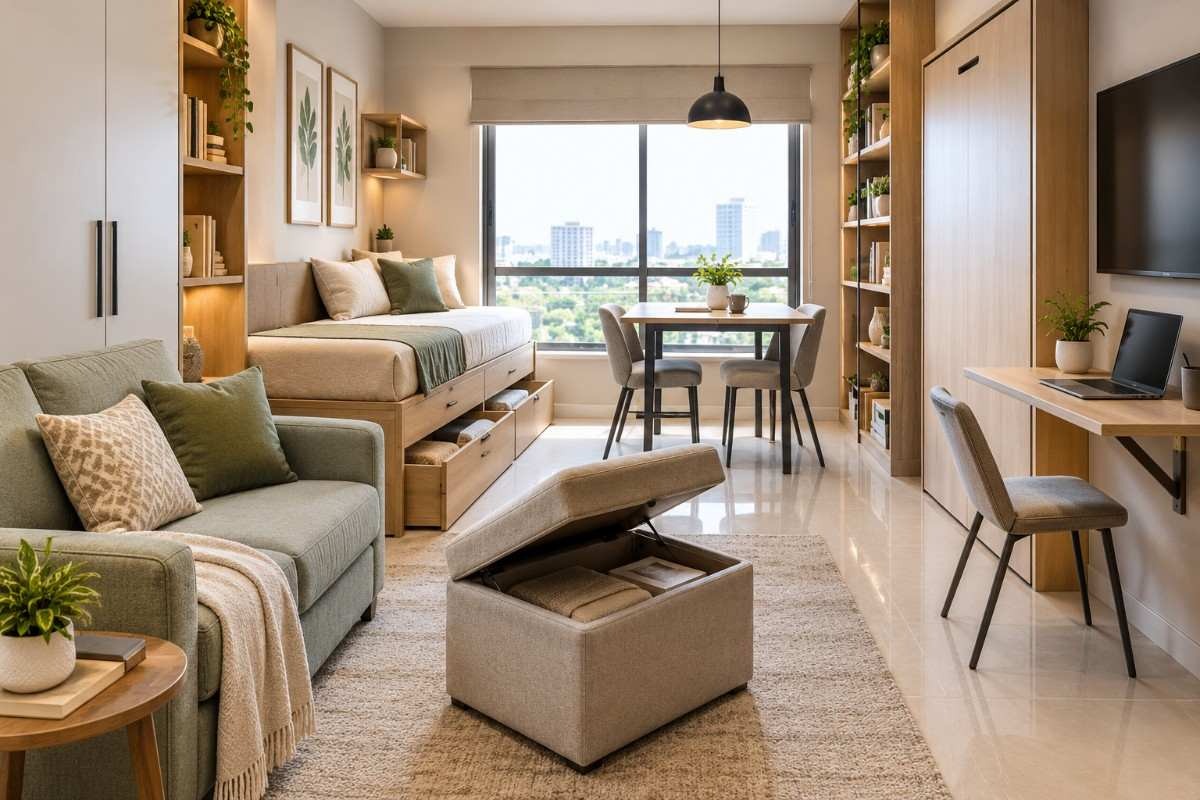
Small homes and apartments need furniture that makes every square foot useful. The aim is not to fit as many pieces as possible into the room, but to choose items that provide the greatest practical value.
Consider these ideas:
- Storage furniture: Beds with drawers, storage benches and cabinets can help reduce clutter.
- Compact seating: Smaller sofas, armless chairs and nesting tables can preserve walking space.
- Furniture with multiple uses: An ottoman can serve as a footrest, extra seat or storage unit, depending on its design.
- Vertical storage: Tall shelves and cabinets can make use of wall height without occupying too much floor area.
- Flexible furniture: Foldable or extendable pieces can be useful in rooms that serve more than one purpose.
Before buying a multi-functional item, check that it is comfortable and practical in each role. A clever design is only useful if you will actually use its additional features.
6. Pay Attention to Materials, Upholstery and Build Quality
Furniture can look similar in photographs but differ significantly in construction, comfort and durability. Always look beyond the colour and design when comparing options.
For wooden or engineered-wood furniture, check the material specifications, joints, finish and expected maintenance. For sofas and upholstered chairs, consider the frame, cushioning, fabric durability and cleaning requirements.
If you are choosing furniture for a humid environment or a room that receives strong sunlight, ask how the materials and finishes are expected to perform under those conditions. Direct sunlight can fade some fabrics and finishes, while excess moisture may affect certain materials.
Also check the quality of hinges, drawer runners, handles and other hardware on furniture with moving parts. These details influence how smoothly a product works over time.
Where possible, review product dimensions, material descriptions, care instructions, warranty terms and customer feedback before making a decision. If information is unclear, ask the seller for clarification.
7. Coordinate Furniture with Curtains, Blinds and Rugs
Furniture does not need to match every other item in a room, but the colours, textures and proportions should work together.
Start with a simple colour palette. For example, a neutral sofa can be paired with textured cushions, a patterned rug and curtains in a complementary shade. Wooden furniture can also work with a wide range of colours, depending on the tone of the wood and the overall interior design.
Consider natural light when choosing fabrics and finishes. Darker furniture may create a rich look in a spacious, well-lit room, while lighter colours can help a smaller room feel more open.
Window treatments matter too. Curtains can soften a room, while blinds may suit spaces where you prefer a cleaner appearance or more adjustable light control. Make sure the furniture layout does not obstruct windows or access to doors.
Explore Blinds and Rugs & Carpet to discover furnishing options that can complement your furniture choices.
8. Choose Fabrics That Suit Your Everyday Needs
Fabrics influence the comfort, appearance and maintenance of a furnished room. Before selecting upholstery, curtains or decorative fabrics, think about how frequently the material will be used and how much care it requires.
For busy family homes, durable fabrics that are easy to clean can be more practical than delicate options. Bedrooms may benefit from softer textures, while living rooms used frequently may need upholstery that can handle regular wear.
Consider colour as well. Very light fabrics can create an airy look but may show stains more easily. Darker fabrics can hide some marks, although dust, lint and pet hair may be more noticeable on certain colours.
Always check cleaning instructions and, where possible, request fabric samples before making a final decision. The appearance of a fabric online may differ slightly from how it looks under the lighting in your home.
You can browse the Fabrics category when planning upholstery and other furnishing details.
9. Set a Realistic Furniture Budget
Furniture costs can add up quickly, particularly when furnishing an entire home at once. A budget helps you prioritise essential items and avoid spending too much on one room while leaving other areas incomplete.
Begin with the pieces you need most, such as beds, mattresses, a sofa, dining furniture and essential storage. Decorative items and additional seating can be added later.
When comparing products, look at the overall value rather than the initial price alone. A lower-priced piece may not be the best option if its construction, comfort or maintenance requirements do not suit your needs.
Remember to account for delivery, assembly, installation and any additional accessories. For larger purchases, check the seller’s delivery arrangements, return policy and warranty conditions before placing an order.
It is also helpful to compare similar products from multiple sellers. Check whether the materials, dimensions, included components and service terms are genuinely comparable before deciding which option offers better value.
10. What to Check Before Buying Furniture Online

Buying furniture online allows you to explore different designs and product options without visiting several showrooms. However, because you cannot always inspect the item physically before ordering, checking the product details becomes especially important.
Before placing an order, review the following:
- Dimensions: Confirm the width, height and depth, and measure the intended space.
- Material details: Check the frame, surface finish, upholstery and other construction specifications.
- Product photographs: Look at multiple images and close-up views where available.
- Comfort and function: Read the description carefully and consider whether the design meets your daily needs.
- Delivery and assembly: Confirm delivery coverage, estimated timelines and whether installation is included.
- Returns and warranty: Understand the conditions before purchasing, especially for large furniture items.
- Seller information: Check available seller details, customer feedback and support arrangements.
You Construct provides an online place to explore furniture and furnishing categories alongside other home improvement products. You can start with the Furnishing & Furniture section and browse relevant categories to compare available styles and options.
For major purchases, it is still sensible to clarify any unanswered questions about dimensions, materials, delivery or assembly before confirming your order.
Common Furniture Buying Mistakes to Avoid
Even attractive furniture can become frustrating if it does not suit the room or the way you live. Keep these common mistakes in mind:
Buying without measuring: Always check room dimensions and furniture measurements before ordering.
Choosing appearance over comfort: A sofa or dining chair should feel comfortable, not just look good in photographs.
Ignoring storage needs: Insufficient storage can quickly make bedrooms and living areas feel cluttered.
Mixing too many styles: Different designs can work together, but a consistent colour palette and a few complementary materials help create a balanced look.
Overlooking maintenance: Delicate upholstery or high-maintenance finishes may not be suitable for every household.
Spending the entire budget on one room: Plan furniture purchases across the home and prioritise essential pieces first.
Forgetting delivery access: Large furniture may not fit through narrow staircases, doorways or lifts, even when it fits the room.
Final Thoughts
Choosing furniture for every room becomes easier when you begin with your space, daily habits and practical requirements. Measure carefully, prioritise comfort, check material quality and select pieces that support the way your household lives.
A well-furnished home does not need to contain expensive or matching furniture everywhere. A comfortable sofa, a practical dining set, a suitable bed and enough storage can make a much greater difference than filling each room with decorative pieces.
If you are planning a new home setup or refreshing your existing interiors, explore the furniture and furnishing options available through You Construct. Comparing categories, styles, materials and product details can help you make informed decisions and create a home that feels comfortable, functional and personal.
















No Comments